By Dionne Joseph
I was 15 years old in Mrs. Feldman’s home economics class, attempting to sew a T-shirt and growing more despondent by the minute. When she described the assignment, Mrs. Feldman gave one piece of advice: Do NOT purchase plaid fabric. I had been doodling instead of listening and purchased plaid fabric — in purple. Matching the lines in plaid is treacherous and especially difficult for a rookie seamstress. I finished the shirt and didn’t fail the assignment, but the emotional scars remain. After that class, the hideous garment never saw the light of day, but more importantly, I learned that homemaking — something I had taken for granted — required intention and focus.
As a foster, adoptive and biological mom to seven children, I have learned from others and discovered hacks of my own for maintaining an efficient, safe and healthy home that children enjoy returning to. And part of this work is teaching them how to do it for themselves one day, too.
During the COVID shutdown in 2020, I had an epiphany after losing and finding my mind. Instead of seeing myself as a mom who had to do it all (with an extremely helpful husband at her side), I began to see myself as a manager — a momager.
Even though I had a house full of children, I wasn’t raising children, but future men and women who would be expected to join the big wide world and contribute meaningfully.
Instead of being the kind of mom who, at her worst, enabled her children (by making things as easy as possible for them), I would become a mom who empowered them.
Empowering someone is giving them the authority to do something. It means it’s their responsibility, and they’ll reap the rewards or consequences. It also means I have to surrender responsibility and accept that the finished task may look different than it would if I had done it myself.
Karyn Purvis who co-created Trust-Based Relational Intervention, teaches that “sharing power” and giving children a “joyful yes” when appropriate teaches them how a family handles power. Her book “Empowered to Connect” has been an invaluable resource, and a quote from Purvis resonates: “By sharing power, caregivers actually prove the power is theirs to share.”
The kids in our home range from 2 to 19 years of age; so how do we share power with so many unique individuals who all have varying aptitudes and limitations?
Cast a Vision
As leaders of their home, parents need to create a clear picture of their family’s goals, plans, standards and values. What values are we willing to work for and exchange with each other? One of the visions for our home is shalom, or peace.
I want our home to be a comfortable, safe space where our children can recharge after a hard day. Part of how we establish shalom is by making beds, putting toys in proper places or cleaning up after we eat in the kitchen. All of the children in our home are invited to join the vision.
Action Steps: Invite the children in your home to make a list of values that are important to them. Talk with them about how to achieve those values.
One of the benefits of being a foster family is that you get to learn the perspectives of children who have different lived experiences. Talk about their choices and make a list for all to see.
Decision-making and Delegation
When parenting, many decisions need to be made. Who’s taking the kids to school or daycare? What’s for dinner? What activities are we committed to this week? Who’s doing what?
To sustain a family’s vision, choices must be made and responsibilities delegated. Our older children who drive are often recruited to take younger siblings to piano lessons or sports activities. Our 10-year-old loves the opportunity to read aloud to the babies, and even our 2-year-old kid feels special when asked to brush his teeth all by himself. Leadership comes from the top, but by including the children in some decisions and delegating tasks, they grow confident and feel secure in their place in the family, plus they get to learn and practice crucial skills they’ll need later in life.
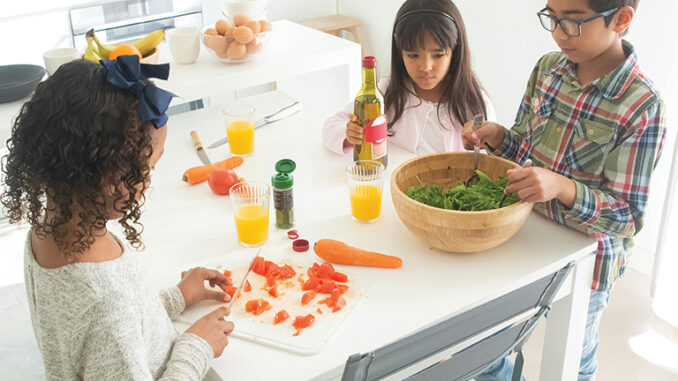
Action Steps: Every week, let one child in your family choose dinner. Invite them to look up a recipe, make a grocery list and take them shopping for ingredients.
Allow them to assist during food preparation. I’ve found picky eaters become more adventurous when they have buy-in.
Communicate with Patience
It would be wonderful if parents could say something once, and it would be adhered to and understood, but that’s not how learning happens.
Teaching takes time, and children need practice. With constant gentle communication, which may include a family calendar with weekly activities, written chore lists and dinner-time discussions, kids can feel some control over their schedule. They will learn the rhythms of life and grow in independence and accountability.
Action Steps: Have your child repeat the instructions you gave them to ensure they understand. Recognize that even a skill you see as basic, such as making the bed, might be totally new to your child or even teen if they are new to your home — so patience and grace as they work to learn the skill will be vital.
Collaborate when writing up chore lists or planning the weekly family calendar, so they start to learn what it takes to manage their time and tasks.
Empower Your Child
We participated in a 4-H archery program when my eldest son was 7. The range masters taught us how to shoot a bow and make arrows but were adamant the children do the activities themselves.
The leaders patiently taught a skill, inspired students to try it and encouraged them.
I was a much younger mother at the time, and this pushed against my desire to do it “right” for my son instead of letting him struggle through the process himself.
As parents and caregivers, it’s almost too easy for us to “do it ourselves,” whether it’s cleaning up the kitchen after dinner or throwing a child’s dirty laundry in the washing machine.
However, wherever and whenever we can empower our children to do age-appropriate tasks for themselves, we are building their confidence and getting them one step closer to being productive members of society.
Action Steps: Invite your child to be your special helper for a tough task, such as washing dishes or cleaning the bathroom.
Let them fill the sink, pour the soap or spray the cleaner as you give them the opportunity to merge play and work. It might feel like it takes more time to let them help rather than just doing it yourself, but consistently involving them in these tasks is how they’ll eventually learn to do it themselves.
Celebrate the Wins
One of the most enjoyable parts of raising children is celebrating their wins as they grow in maturity, resilience and resourcefulness. It’s especially rewarding when they are able to contribute to the family.
My 19-year-old son filled his gap year with culinary school and made chicken curry a family favorite dinner. He frequently visits the grocery store on my behalf and preps dinner for the family.
My 17-year-old daughter was a competitive gymnast during her childhood and retired her leotard two years ago. Recently she returned to the gym as a coach. She makes a great income and gets to work with children, which is a passion of hers.
My 8- and 10-year-old daughters learned to braid hair. They also assist in reading stories to the youngest children which improves literacy. Our littlest pair are just 4 and 2 years old. They practice tidying their room and being good listeners.
My husband and I work to acknowledge and celebrate each accomplishment — big and small.
We’ve noticed when we recognize a child in front of their siblings, it creates a ripple effect.
Not only is the child honored, but when the siblings see the acknowledgement, it feeds back into the family’s vision. Celebration goes a long way.
Action Steps: What do your children love? As a reward for reading aloud every day of the month, my middle girls look forward to a pedicure at a local salon. This has transformed my wrestling with them to read to their anticipation of a spa day.
Of course, we don’t see it all or get everything right; therefore, apologies and do-overs are common for kids and parents. And in a way, that’s another essential life skill.
Cultivating good relationships requires humility, grace and the willingness to meet someone where they’re at.
I never learned to sew, but I think Mrs. Feldman would be impressed with the way I’ve learned to run a busy household. We’ve worked to include our children in decisions and expose them to new adventures.
We encourage progress, not perfection. Our kids are sometimes quick to argue or tease one another but just as quick to apologize and embrace.
The kids in our home are loved and empowered. Our hope is that as they grow they’ll contribute to the world in as many meaningful ways as possible and have fun doing it.
Given the name “Auntie Mom” by her first foster daughter, Dionne Joseph has been fostering since 2016. She is an adult transracial adoptee who has also had the privilege of adopting. Joseph serves on Washington’s Parent Advisory Group and is an advocate for children and families. A writer and runner from the Pacific Northwest, Joseph and her husband have five children, Goldendoodles and cats.